Shazam for Windows
by Apple
Apple's music-recognition app identifies a song from a short sample. No supported native Windows desktop installer is currently offered.
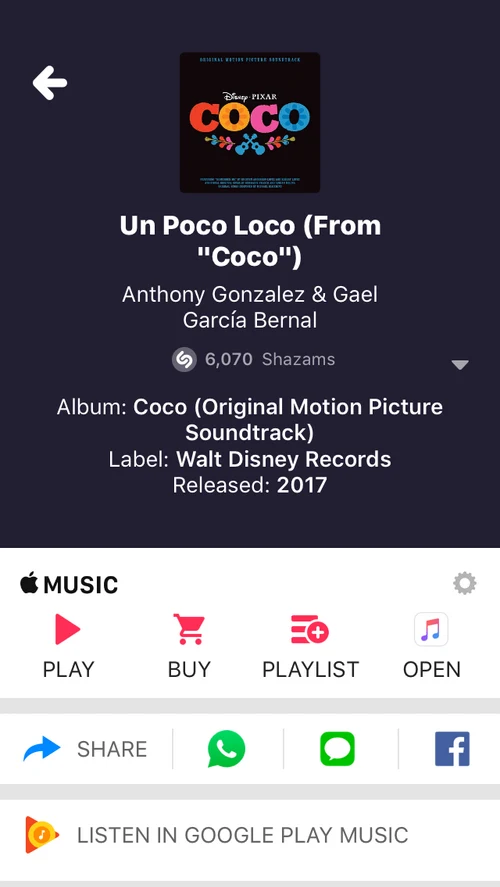
Shazam, owned by Apple since 2018, names music from a short microphone sample on supported phones and other current clients. The old Windows desktop app is not a current install path.
Editorial description
Apple publishes Shazam, the music-recognition app. Apple has owned it since 2018. It identifies music from a short sample. Current clients include iOS, macOS, watchOS, Android, Wear OS, and a Google Chrome extension. Windows Phone is deprecated. The catalog lists the product as free and does not quote a price. A match is not promised for every song, and no recognition-accuracy figure is stated here.
A supported native Windows desktop installer is not currently offered. The Windows 10 app was discontinued. Contemporary reports quote Shazam saying that, effective February 7, 2017, Shazam for Windows was sunset and removed from the Microsoft Store, with no further updates. On a Windows PC the honest options are the Chrome extension if it is still offered, or Shazam on a phone or another supported device. The phone app is the primary way to identify a song. This page does not invent a listening control on shazam.com.
The app listens through a microphone and needs a network connection to return a match. Do not download unofficial Windows installers named Shazam. They are not a substitute for the clients Apple still documents.
Features
Short-sample matching
Shazam identifies music from a short sample picked up by the microphone. It does not promise a name for every recording.
Phone and current clients
Current clients include iOS, macOS, watchOS, Android, Wear OS, and a Chrome extension. Windows Phone is deprecated.
Chrome on a PC
A Chrome extension has been part of the supported clients. Use it on a Windows PC only if it is still offered.
No Windows desktop build
No supported native Windows installer is offered. The Windows app was sunset on February 7, 2017 and removed from the Microsoft Store.